Meditations
Written by the Roman Emperor Marcus Aurelius as personal reflections during his military campaigns, Meditations is one of the most important works of Stoic philosophy. Never intended for publication, this intimate journal reveals the private thoughts of the most powerful man in the ancient world as he grapples with duty, mortality, and the pursuit of virtue.
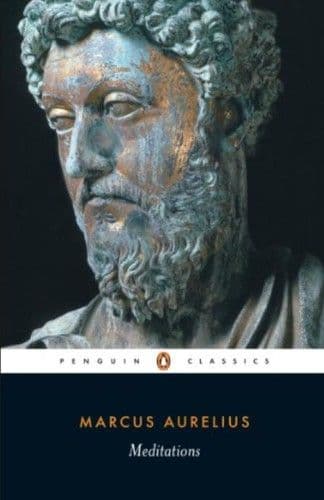
Book Trailer
Summary
Meditations is organized into 12 books of personal writings by Marcus Aurelius. The emperor reflects on the importance of self-discipline, rational thinking, and maintaining inner peace in the face of external chaos. He reminds himself that he can control his own mind and reactions, even when he cannot control the world around him.
A central theme is the impermanence of all things. Marcus Aurelius repeatedly returns to the idea that fame, wealth, and even life itself are transient. This awareness, rather than causing despair, is meant to clarify what truly matters — living virtuously in the present moment.
The work emphasizes duty and service to others. As emperor, Marcus felt a profound responsibility to govern justly and serve the common good. He reminds himself that human beings are fundamentally social creatures who find meaning through contributing to the community.
Marcus Aurelius advocates for accepting hardship without complaint. Obstacles and setbacks are not misfortunes but opportunities for growth and the practice of virtues like patience, courage, and wisdom. This philosophy directly influenced modern concepts of resilience and cognitive reframing.
The Meditations remain deeply relevant today, offering practical wisdom for navigating stress, uncertainty, and the complexities of modern life. Its teachings on mindfulness, emotional regulation, and ethical living continue to resonate across cultures and centuries.